Trout Fishing Indiana
Indiana, not usually known for trout, has a stunning tailwater with a healthy Brown and Rainbow Trout population—an unexpected trout fishing gem.
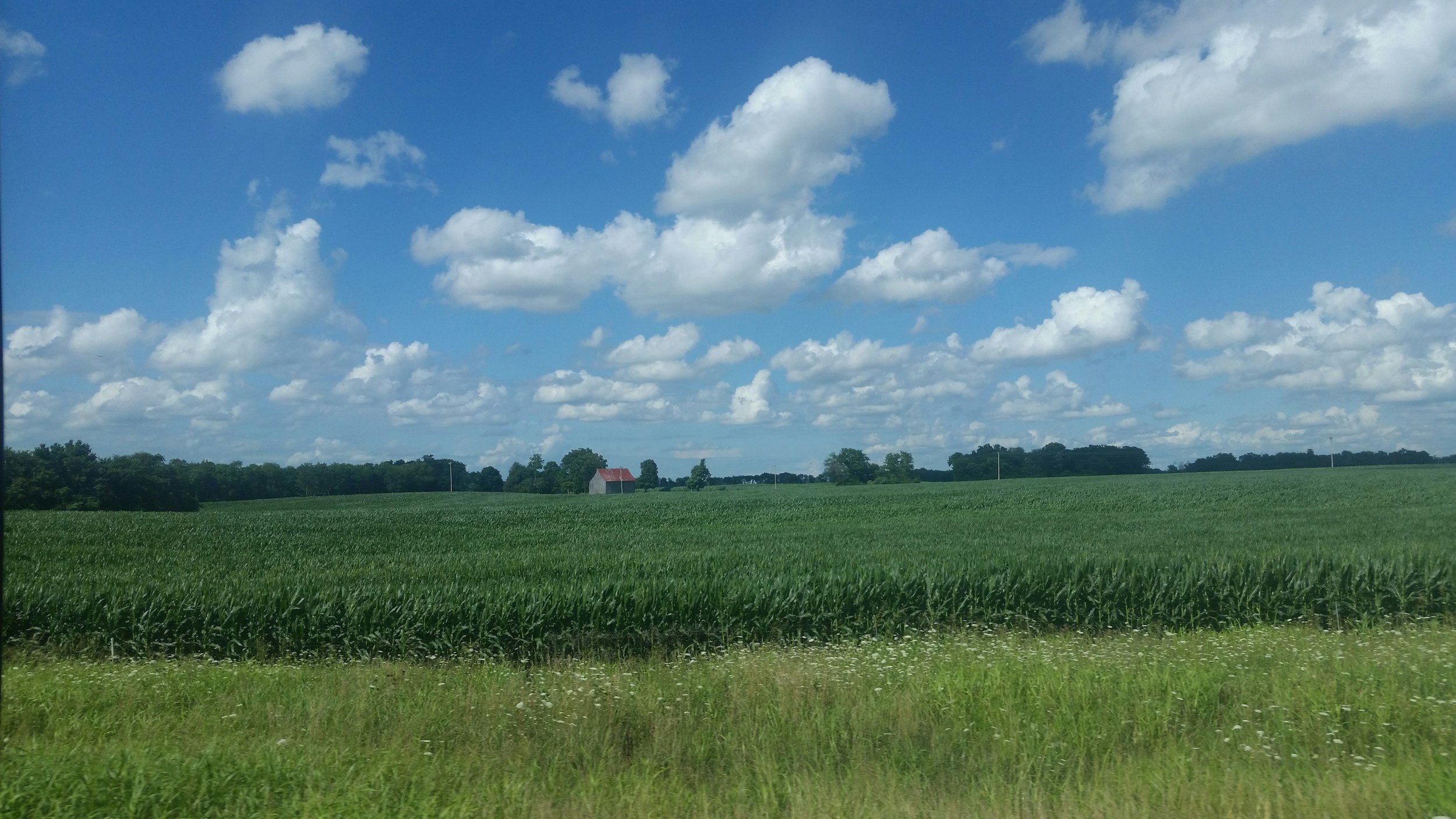
It was Memorial Day weekend of 2020, and I had a solid 10 days carved out for traveling and fishing adventures. As I headed north on I-75, I called my dad to share my plans and gather some insight on trout fishing in Indiana, given his days at the University of Notre Dame. I can still hear his words, tinged with a doubtful chuckle: “Jer, good luck. Never heard of much trout fishing in Indiana.” Naturally, my stubborn streak kicked in—I was determined to prove my fishing skills to him. So, when I reached Indianapolis, I pulled off the highway to grab a few hours of much-needed rest. Once I woke up, I searched for local fly shops to get some expert advice and stock up on supplies. The gentleman at FlyMasters couldn’t have been more helpful, offering tips, prime fishing locations, and recommended flies tailored for the area. After a great conversation that lasted nearly half an hour, I set off again, backtracking slowly toward Brookville, Indiana, ready to see if I could turn my dad’s skepticism on its head.
The drive from Indianapolis to Brookville spans roughly 80 miles, winding through expansive and picturesque farmland that captures the essence of rural Indiana. Upon arrival, the town of Brookville reveals its charm with cozy family-run restaurants lining the quaint main street. Just a few miles beyond lies the impressive Brookville Dam, a towering structure that commands attention. The dam’s spillway produces a steady tailwater on the Whitewater River, creating ideal conditions that support a thriving trout population throughout the year. Flowing right through the heart of town, the Whitewater River serves not only as a beautiful natural feature but also as a crucial economic resource, drawing outdoor enthusiasts and visitors who contribute to the local community’s vitality.
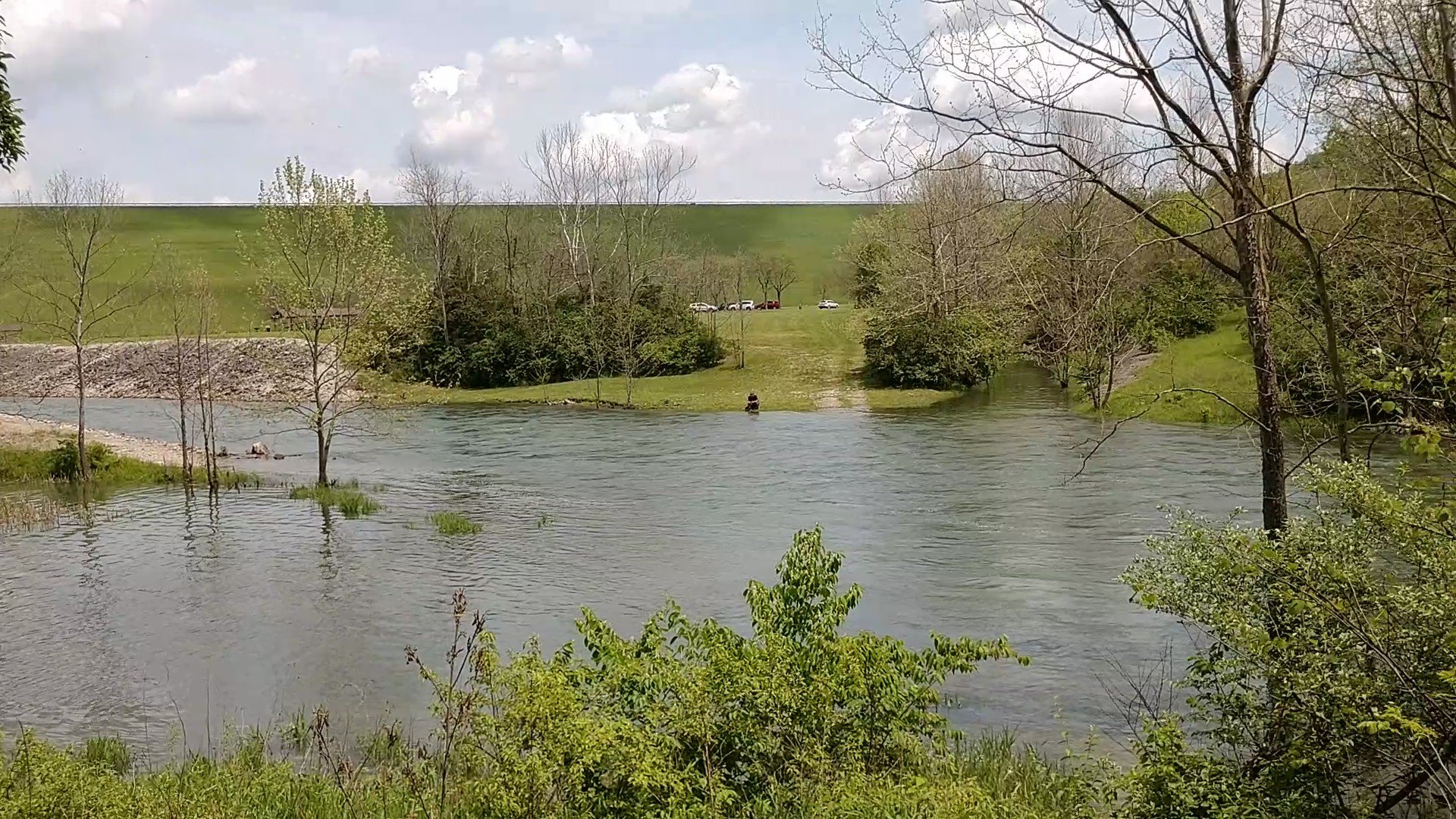
After grabbing a quick bite to eat and taking some time to leisurely explore the local shops, it was finally time to get serious and start fishing. I began casting near the spillway, where there’s a convenient area to park and well-maintained trails that lead straight down to the Whitewater River. As I approached, the river was moving swiftly, with grassy seams and ripples running through the middle, hinting at both life and challenge beneath the surface. The current looked a bit too strong and potentially dangerous to wade in safely at that moment, so I chose to cast carefully from the bank instead.
I tied on a classic Hopper-Dropper rig, using a size 12 hopper and a delicate size 18 flashback pheasant tail nymph. For about fifteen focused minutes, I worked the water diligently, but the river remained silent—no bites to speak of. Feeling the need for a change, I crossed the nearby bridge and began working the opposite bank. There, I watched another angler casting a spinner upstream, and once he packed up and left, I decided to try fishing that spot.
A backwater eddy caught my eye—it looked promising, with slower, calmer water that was much easier to wade through. I switched to a tiny zebra midge and a size 16 scud, and soon enough, the indicator darted with life—several strikes teased me as it slammed beneath the surface, but still, nothing made it to the net. After thoroughly working the entire section, I took a break, settling onto the bank to rest and survey the river with fresh eyes.
Looking back across the water at the earlier spot, I noticed deep undercuts I hadn’t seen before from my previous vantage point. In the shadows of those undercuts, I could make out fish darting swiftly after baitfish, alive and active. Encouraged by this discovery, I decided to backtrack and dive into this new promising area with renewed focus.
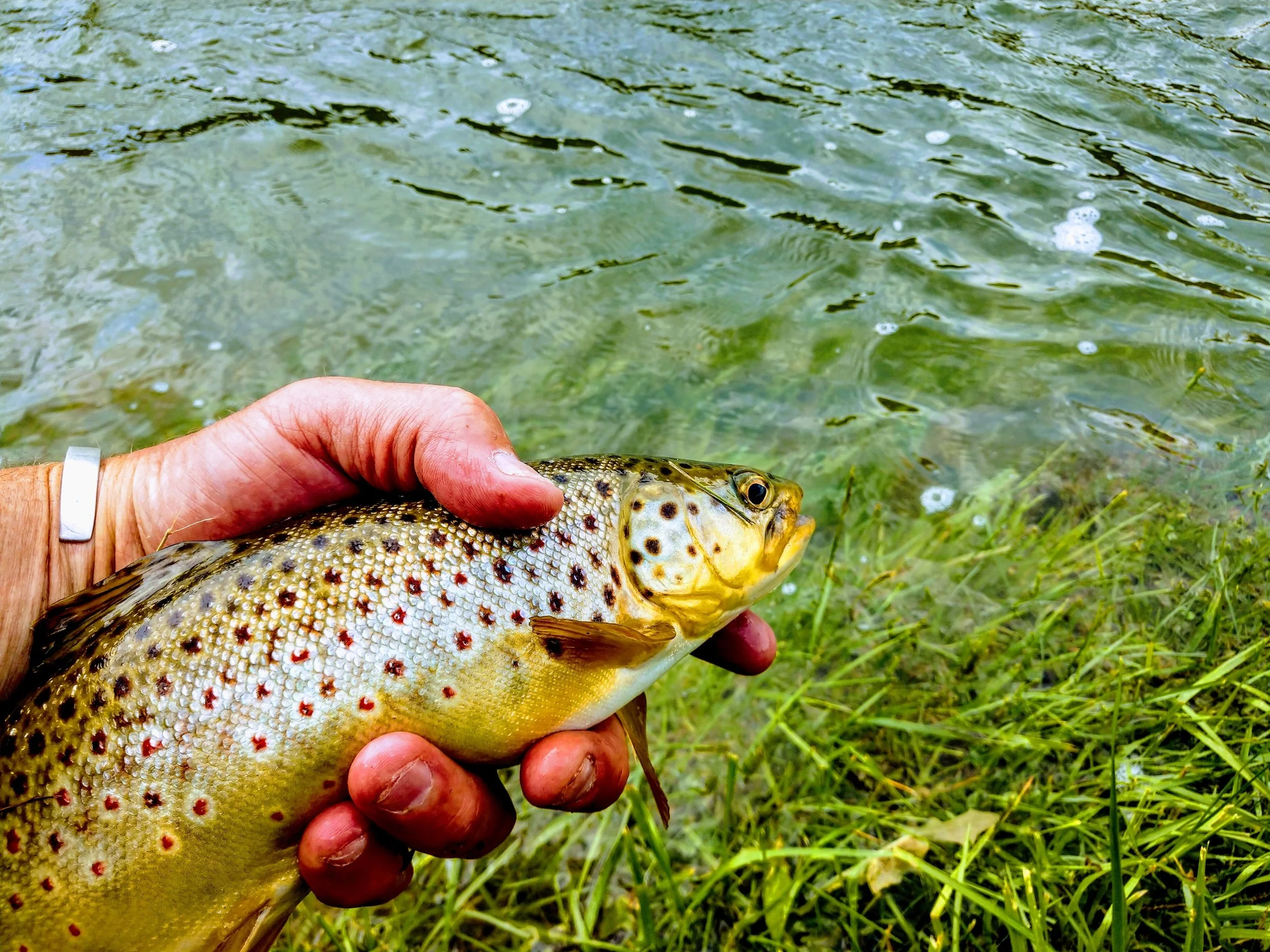
I walked over to the truck and pulled out my trusty 6-weight Redington fly rod, quickly switching it to my go-to streamer pattern—an olive articulated fly that’s proven deadly time and again. Summoning my courage, I gripped my wading staff and gingerly stepped into the swift, chilled waters, the cold biting through my waders as I moved. I waded out about ten yards, carefully feeling the current’s pulse beneath my feet, and began casting toward the far bank. After a few steady casts, I felt that unmistakable, subtle tug—the distinct strike so unique to streamers. Then came a hard slash followed by a strong, determined pull. I scrambled to readjust my drag as the fish made a fierce run, testing both my patience and gear. Slowly, I played the fish closer to the net and finally slid in a healthy, vibrant 17-inch brown trout. Encouraged, I continued, catching many more rainbows and browns, each battle different but equally thrilling, until I had thoroughly worked this section of the Whitewater River and its tailwaters. Feeling it was time to give the fish a break, I packed up and headed toward another stretch of the river nearer to Brookville, eager to see what new adventures awaited.
Parking at the Brookville America Legion #77, I carefully made my way down to the riverbank. This particular section of the river was slower moving, with deep holes that promised prime fishing spots. A beautiful canopy of trees arched overhead, casting dappled shadows on the water — it looked very promising. I noticed a Caddis hatch beginning, and through the gentle ripple, I could see fish rising eagerly. Unfortunately, all I had were size 12 Olive Caddis flies. The trout were incredibly picky, examining my fly tentatively before drifting away uninterested.
I managed to collect a few dead caddis in my bug net only to realize that they were actually black, not olive. Frustrated that I hadn’t restocked on black caddis patterns at Fly Masters, I tied on a fly that I hoped would approximate the insect, but the trout refused to take the bait. So focused was I on experimenting with different fly patterns that I failed to notice the dark clouds gathering overhead. I had never experienced a Midwest thunderstorm in person, but I’d been warned of their intensity.
Suddenly, a brilliant flash of lightning lit up the sky followed almost instantaneously by a thunderclap so loud it felt like a snub-nosed .357 Magnum had been fired right beside me. Standing in the river, clutching my fly rod, I felt a wave of fear wash over me. Hastily, I waded out of the water just in time as the storm unleashed a furious downpour. From the safety of my truck, I watched the Whitewater River rise rapidly, grateful to have escaped the water before nature’s power took over.
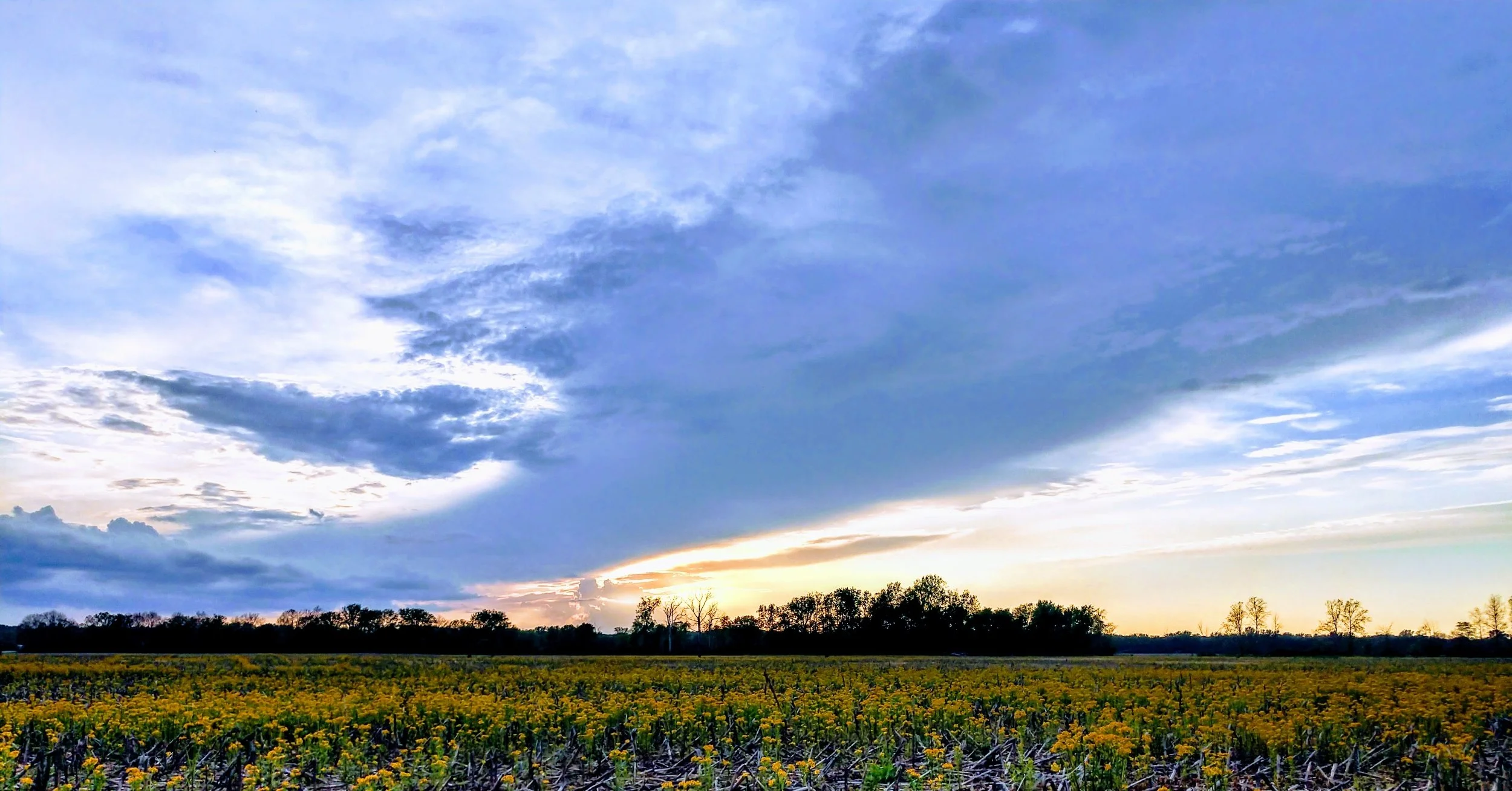
So, as I sat there soaked to the bone, I decided to give my father a call to tell him about my success and share a few pictures. There was pride unmistakable in his voice as he said, “Jer, only you would drive all the way from Bristol, Tennessee, to some obscure town in Indiana just to chase after trout.” I’ll never forget this trip to Brookville, Indiana, and fishing the Whitewater River. From the engaging conversation with the owner of the Fly Master fly shop to the surprising bounty of trout in Brookville, every moment was special. Experiencing the raw fury of an early summer Midwest thunderstorm only added to the unforgettable nature of the trip. I only wish my dad could have been there in person to enjoy this unique and beautiful fishery alongside me.
The Whitewater River in Brookville, Indiana is definitely worth the drive for anyone looking to experience an excellent trout fishery just a few hours from either Indianapolis or Cincinnati, Ohio. This scenic river offers anglers a chance to connect with nature while pursuing some of the best trout fishing in the region. Whether you’re a seasoned fisherman or new to the sport, the Whitewater River provides a rewarding outdoor adventure that’s well worth the journey.
Here’s a video of my trip to Brookville