Lost Trout Streams of Southern California
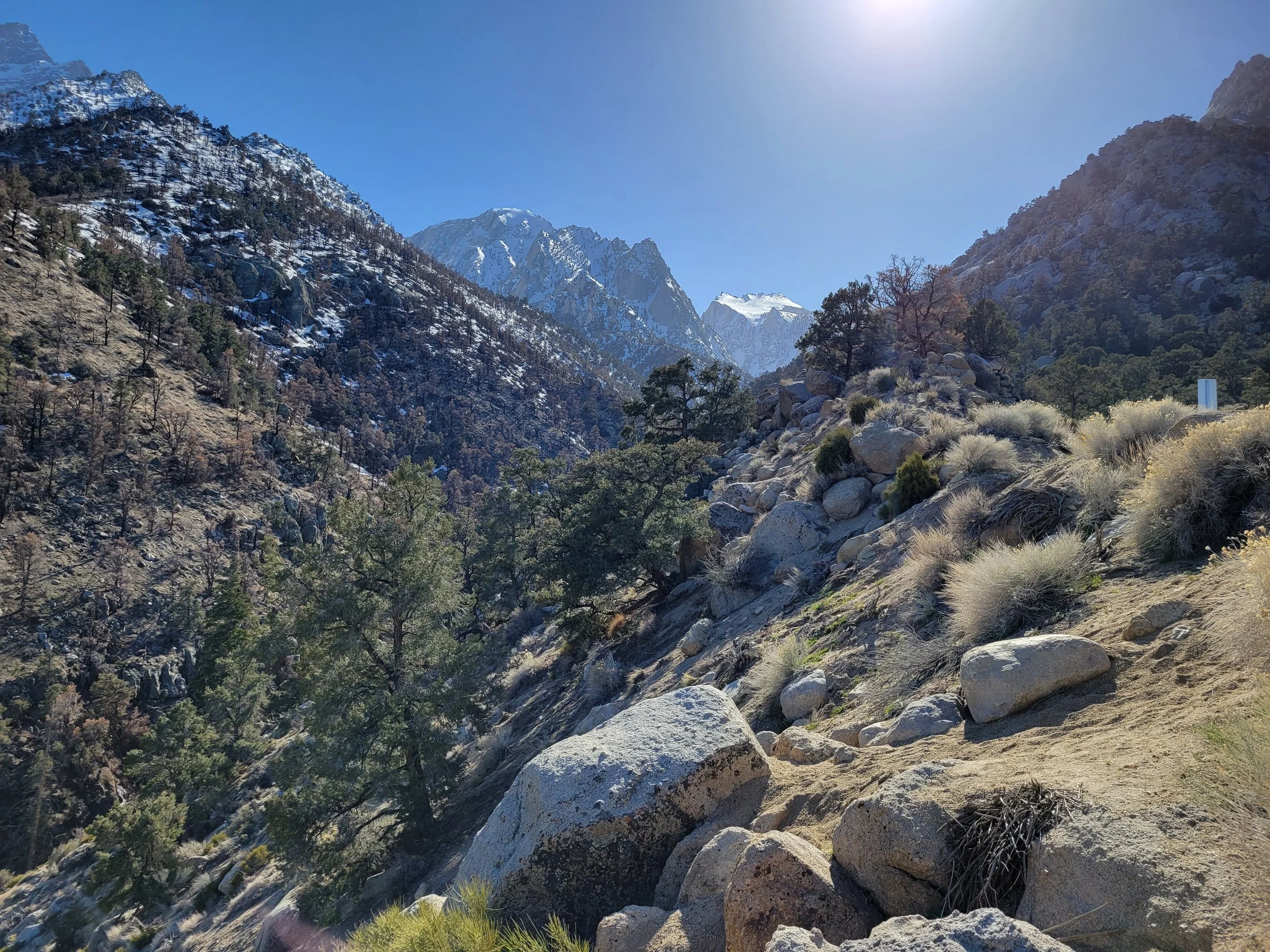
Searching for Wild Trout populations that still exist in Southern California
Before diving into this adventure, please be advised of three important points:
I strongly urge you to practice Catch and Release whenever possible to help ensure the future of these incredible fish, preserving the experience for other generations of fishermen and women to come.
This blog is a general overview of where I have personally discovered wild trout populations in Southern California. If you want to delve deeper into any specific locations, techniques, or stories, please reach out directly to me on my Instagram.
These fragile habitats are extremely vulnerable due to littering and human impact. Please always pick up after yourself, and if you can, bring out more trash than you brought in. Many once-public places have now been permanently closed because of neglect, trash accumulation, and vandalism.
Back in 2006, California faced a landmark environmental lawsuit that led to significant changes. The California Department of Fish and Wildlife (CDFW) ceased stocking many creeks, rivers, and lakes with non-native trout around 2007 to protect native ecosystems. My personal quest to discover whether any wild trout populations still persist in these waters began in 2022 while I was recovering from cancer. This period of reflection brought back fond memories from my youth and early culinary career, spent fishing in the mountains of Southern California. After nearly two decades without a stocking program, were there still holdover wild trout thriving in these waterways? Motivated by curiosity and passion, I began my research and due diligence to uncover the truth.
There were 5 ways I broke down my search for Wild Trout in Southern California
The Obvious
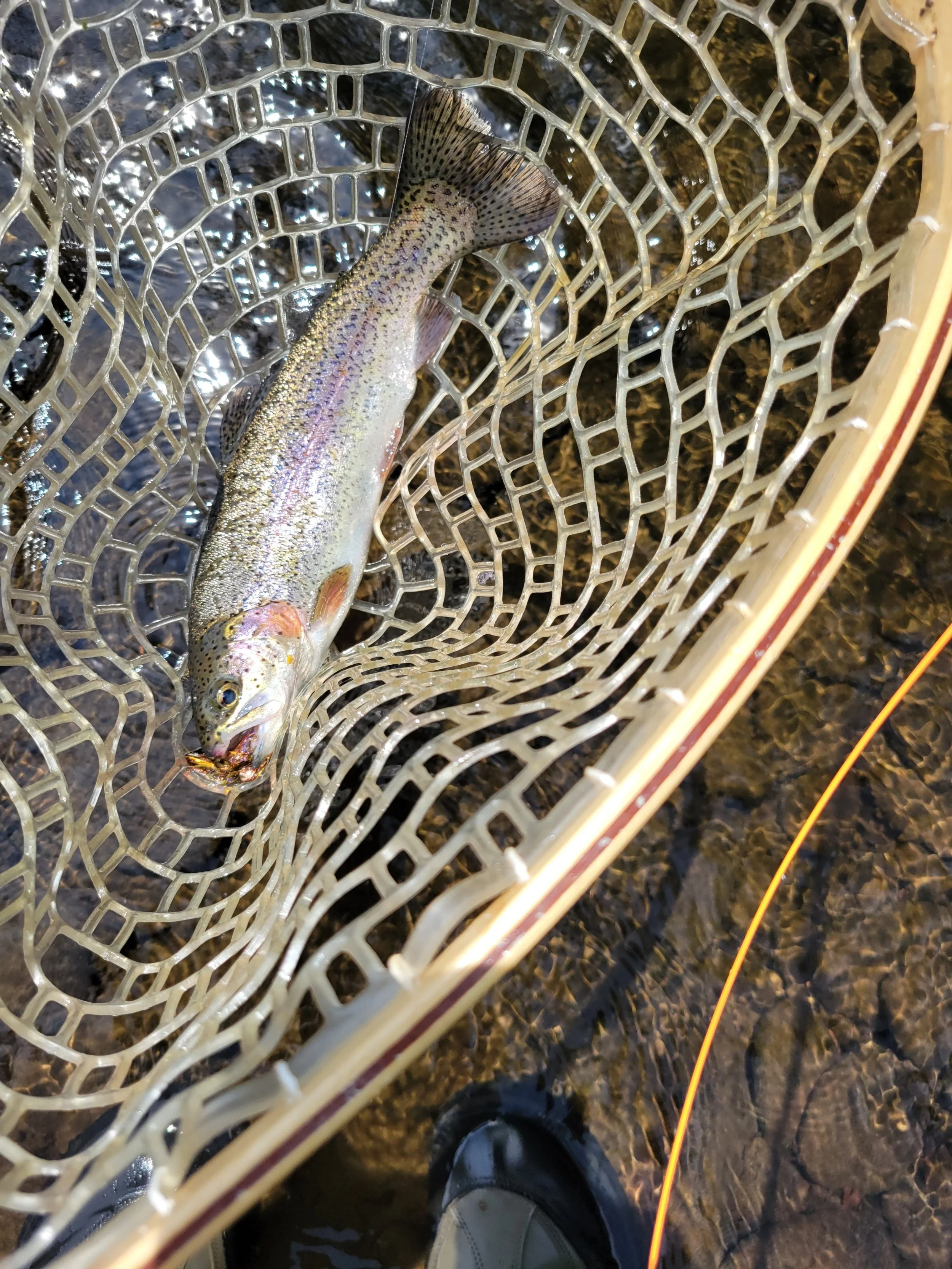
I first began exploring the winding creeks nestled in the San Jacinto and San Bernardino mountains. After long days working as a chef early in my career, I would escape to these waters to fish and find solace. Even back in the 90s, these creeks held a sparse but tenacious population of trout. They were no secret to local fishermen who eagerly followed the weekly trout stocking reports published in newspapers and various outdoor magazines. But what about today? On an early spring morning, when the creeks swelled from fresh snowmelt and the water temperatures hovered low, I grabbed my short 3wt fly rod rigged with 7x tippet and a delicate Tan Elk Hair Caddis. I stumbled upon a few small pools formed by folks who had dammed up water for their gatherings. After a few tentative casts, a small rainbow trout suddenly soared from the depths to snatch my fly. Moving carefully along the creek’s edge, I discovered many more rainbows, each eager to strike at nearly any fly I presented. It was a genuine thrill to witness such a healthy trout presence in places where most people wouldn’t even imagine these fish exist.
Old Timers
Another technique I have often relied on is simply remembering conversations I’ve had with old timers and, of course, my father. They would speak in hushed tones about small, secluded creeks—not stocked or even mentioned in any fishing guides—mystical waterways tucked away beneath rough chaparral and steep canyon walls, places where wild trout still thrive. I’ve billy-goated my way through countless backcountry areas, coming away with a handful of cuts and bruises from missteps and falls along the way. One creek, in particular, stands out: it took me eight grueling miles on narrow game trails to reach a small, hidden stream nestled deep in the high desert of California. There, the trout probably hadn’t been pursued in decades. These were some of the most spooky trout I’ve ever fished for, wary and alert. I found myself belly crawling, mimicking a snake’s slow movements, to keep a low profile in the sparse cover. This creek held brown trout in the four to eleven-inch range, a sign that the population was reproducing successfully. What made it even more thrilling was how hungry these fish were—they hit eagerly at any reasonable fly I dangled in front of them, rewarding the patient angler in this secret desert oasis.
Studying Maps
By carefully referring to detailed maps, I would seek out waterways that gradually lead to larger creeks, expansive lakes, or even the vast waters of the Pacific Ocean. Taking this approach has guided me to some incredibly remote yet strikingly rewarding locations, where isolated populations of wild, and likely native, Rainbow trout have managed to survive against the odds. In fact, one such spot probably hasn’t had water flowing to the Pacific Ocean in centuries, due to human intervention altering its natural course. The water there was teeming with small Rainbow Trout and other native fish species. Nearly every other cast resulted in hooking a feisty Rainbow, making the experience both thrilling and unforgettable.
Local History
This technique was by far the most in-depth, time-consuming, and painstakingly tedious process I undertook. I began with a broad search on the internet, but initially, there was barely a peep of useful information to be found. However, immersing myself in visits to museums, attending historical society meetings, and painstakingly digging through archived newspapers and books—some dating back over 150 years—proved to be personally the most rewarding experience. Not only did I uncover forgotten fishing spots, but I also took a deep dive into the rich local history that risks being lost forever to the rapid march of technology and the instant gratification mindset dominating our modern era. The streams I discovered were nothing short of incredible. The challenges faced reaching these remote locations, rarely visited by anyone but a few hardy souls in the beast known as Southern California, were substantial. The solitude found there was blissful, a genuine piece of God’s handiwork that invited me to marvel at nature’s wonders and the spectacular scenery surrounding me. While the fish were not as plentiful as historical accounts described from a century ago, there were still fish to be caught—enough to satisfy both the angler and the adventurer in me.
Apps/Social Media/Clubs
The use of modern technologies and joining various outdoor clubs has its fair share of upsides and downsides. The trusted apps I frequently rely on include Google Maps, OnX,Trout Routes, and Fly Fish Finder. These tools provide excellent overviews of waterways and crucial information about the surrounding area, greatly enhancing my outdoor experiences. However, accessing their pro versions often comes with subscription fees. Despite the cost, I have found that paying a few dollars a month for these premium features is well worth the investment given the valuable insights they offer.
Social media platforms such as YouTube, Instagram, and Facebook have served as rich sources of inspiration in my ongoing quest to uncover unnamed watersheds that might still hold thriving fish populations. Unfortunately, not all content is reliable—some channels and postings spread misinformation or provide misleading advice. On the other hand, joining clubs and associations like Trout Unlimited, local chapters of Fly Fishers International (FFI), and the Izaak Walton League has been incredibly rewarding. These memberships have not only introduced me to new friendships but also granted me access to firsthand accounts and knowledge of historically hidden waters that continue to sustain wild fish populations. This blend of technology, social networks, and community engagement has become essential to my nomadic lifestyle as I explore the diverse fisheries across the country.
In writing this blog, I sincerely hope to inspire many to venture out into the breathtaking great outdoors of Southern California and beyond its borders. I encourage every adventurer to not only explore but also to deeply respect and actively help preserve the pristine waters and lands that are home to these vanishing wild fish. By practicing the principles of “Pack it out” and leaving “No Trace” behind, we can ensure these precious natural habitats remain untouched and vibrant for generations to come.
Here's a YouTube video showcasing one of the pristine waters in Southern California, teeming with wild trout that thrive in its natural habitat.
Suggested fishing equipment and backpacking gear for your enjoyment and safety- Light weight fishing rod, Day Back, Water bottle, Life straw, Sturdy hiking boots, Hiking Stick, First Aid kit, Flashlight, Multi Tool.
In writing this blog, I sincerely hope to inspire many to venture out into the breathtaking great outdoors of Southern California and beyond its borders. I encourage every adventurer to not only explore but also to deeply respect and actively help preserve the pristine waters and lands that are home to these vanishing wild fish. By practicing the principles of “Pack it out” and leaving “No Trace” behind, we can ensure these precious natural habitats remain untouched and vibrant for generations to come.