Golden Trout of California
Monache Meadows and Memories transformed my life.
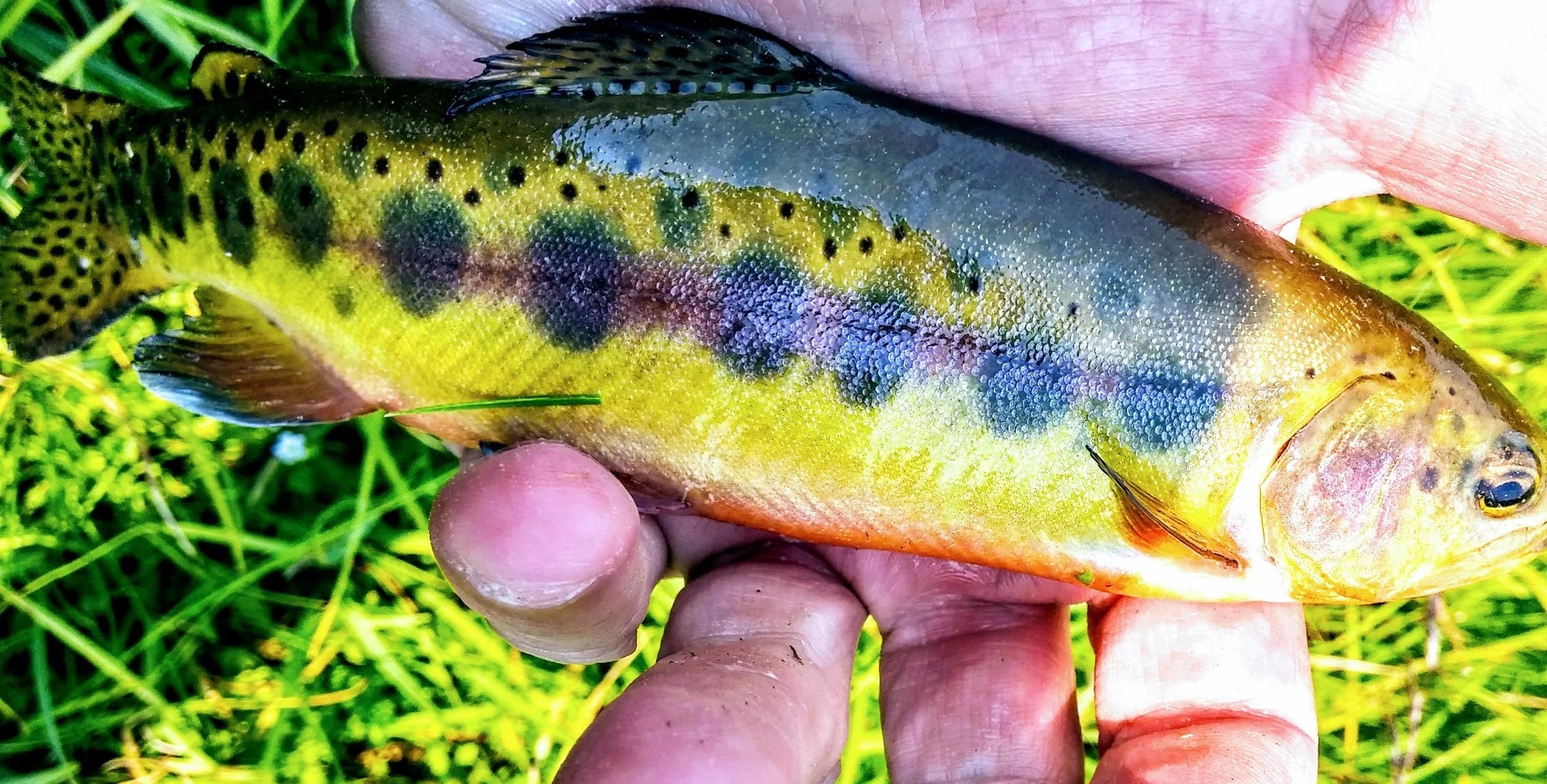
Most Golden Trout call the wild waters of Mono, Inyo, and Sequoia National Forests home. These pristine spots, open to the public, offer a blend of fishing excitement and pure outdoor adventure. Reaching them demands effort—whether you’re hiking rugged trails, backpacking through untouched terrain, or navigating rough forest roads. The drive itself, steep and challenging from every direction, adds to the sense of accomplishment. But once you arrive, those shimmering Golden Trout and the stunning natural surroundings make every mile well worth the journey.
When I write this blog, it takes me back vividly to two pivotal moments in my life—moments that stand as milestones, quietly guiding the man I’ve become today. Both of these extraordinary experiences gifted me with lasting memories that deeply altered the course of my mindset, shaping me into someone who constantly seeks out solitude and is driven by an unquenchable, restless quest for adventure in the vast, wild outdoors. These moments linger in my mind like silent markers on the road less traveled, forever reminding me why I continue to explore untamed landscapes, fish in crystal-clear waters, and roam with a spirit that refuses to be tethered. It was during one of these memorable times that I caught the three species of trout—Brook, Rainbow, and Golden—completing my coveted fishing merit badge. When my eyes first met the Golden trout, I was utterly mesmerized, caught in a trance by its radiant beauty. Over the years, I have seen many trout in many streams, yet that first golden trout remains etched deeply in my thoughts, a glimmering treasure of nature’s artistry. The second chapter in this journey came during my trip into Monache Meadows, well into my early 40s. It began on a late-night YouTube binge, where I became fascinated by overlanding—a lifestyle blending semi-nomadic freedom with the ruggedness of wilderness living. It was then that the idea of living part-time on the road began to crystallize in my mind, sketching out plans for my truck as a rolling abode to carry me into the wilds. Having lived in Bakersfield for years, I often frequented Kern River Fly Shop and became acquainted with its owner, Guy Jeans. He shared tales of backcountry golden trout excursions in Monache Meadows, painting vivid pictures of a mystical oasis where the California Golden trout thrive in their native waters. The stories sparked a fire in me—I knew I had to someday fish in this legendary place. So, in early August, with my half-built rig ready and my heart filled with restless anticipation, I hit the trail, chasing my own nugget of California’s gold.
As I always meticulously prepare for my journeys, I turned to Windyapp to obtain the most accurate, current, and detailed weather forecast available. This invaluable tool helps me anticipate the often capricious conditions of the wilderness down to the hour, giving me a significant edge when planning each step of my adventure. I also depended heavily on OnXApp for comprehensive maps and critical information about the terrain and access points, a digital guidebook that’s as essential as my compass. Before heading out, I made it a point to speak directly with the local Forest Service to gather any vital insights, recent updates, or warnings that might affect my route or safety—there’s no substitute for firsthand knowledge from those who know the land best. Packing plenty of nourishing food was a top priority, ensuring I was thoroughly prepared in case I ended up stuck in the area for more days than originally planned. Additionally, I took great care to bring a well-stocked first aid kit, fully prepared to handle any unexpected injuries, accidents, or emergencies that could arise while venturing deep into the wilderness. The weather in the Southern Sierras is uniquely unpredictable—conditions can shift dramatically in mere minutes. With the combination of high elevations, shifting coastal cloud influences, and the dry air coming off the vast Mojave Desert, you can expect anything from sudden thunderstorms and intense high winds to even snow during summertime, a reminder of nature’s fickle temperament. Always remain vigilant and keep an eye out for the ever-present threat of wildfires, which can flare up with alarming speed and change the landscape in an instant, forcing swift decisions. The road into Monache Meadows is strictly 4x4 only, demanding serious off-road capability and unwavering attention. It’s riddled with large boulders, deep ruts, and unforgiving terrain, and over the years, many oil pans have been sacrificed to the lure of landing fish in this remote, pristine area. Before you begin the trek, be absolutely certain that everything—batteries, gear, water cans, and all essentials—is securely strapped down to avoid any mishaps or gear loss along the rugged, unforgiving route.
Once you finally arrive at your camping or fishing spot nestled deep within the tranquil meadow, be prepared for the unexpected challenges that nature can throw your way. Bears, mosquitoes, coyotes, and a few wild two-legged creatures are common sights you might encounter during your stay. I always lean heavily toward being over-prepared for any scenario that might arise. Not only do I carry something that goes BANG BANG! for emergencies, but Bear Spray is always within easy reach—just in case. When it comes to mosquitoes and other pesky biting insects, DEET is my trusty and reliable ally, and I never forget to bring along a mosquito net if I’m camping in the back of my truck—affectionately known as the Black Bear. Don’t forget to bring plenty of clean, refreshing water with you. You can easily refill your water containers at Kennedy Meadows, a reliable and consistent source that I’ve come to depend on. Additionally, I prefer to carry a small, portable water purifying straw in my pack when fishing in the more remote sections of the wilderness. It’s lighter than lugging around heavy bottled water and takes up far less space in your gear, making it an essential tool for any serious overlander or outdoorsman.
The Golden Trout is the official freshwater fish of California, a true gem among the state’s natural treasures. Not only do these Golden Trout display the most beautifully vibrant and striking colors of all the Salmonids (in my opinion), but tracking them down requires an adventurous spirit. To find these magnificent fish, one must venture deep into some of the most remote, untouched, and breathtakingly gorgeous areas of the Sierra Nevada Mountains, where nature’s grandeur unfolds in every direction. These fish have been thoughtfully stocked in many other states across the country. Wyoming, in particular, is known for producing some true giants of this species. However, the native golden trout found in California tend to grow to a much smaller size, usually reaching only about 6 to 9 inches in length.
Nearly all the Golden Trout are found in the beautiful Mono, Inyo, and Sequoia National Forests. This means there is public access for anglers and outdoor enthusiasts alike! However, reaching these pristine fishing spots does require some effort and commitment. Whether you’re planning a challenging day hike, an immersive backpacking trip, or navigating the rugged forest service roads by vehicle, once you arrive, you’ll be genuinely glad you made the journey. Keep in mind, the drive in is steep and demanding, no matter which direction you approach from, adding to the adventure and sense of accomplishment.
Sure, the season is fairly short—typically running from May through October—in most of the waters where Golden trout reside, but this limited window actually offers some distinct advantages for fly fishermen and other anglers seeking these elusive fish. For one, it gives the Golden trout a much-needed break from fishing pressure during the off months, allowing the population to recover and thrive. Additionally, the seasonal pause ensures that Golden trout have ample time to reproduce and maintain healthy numbers. During winter, nearly all access roads become impassable due to closures and heavy snow, naturally protecting the habitat and giving anglers a chance to prepare for the exciting season ahead.
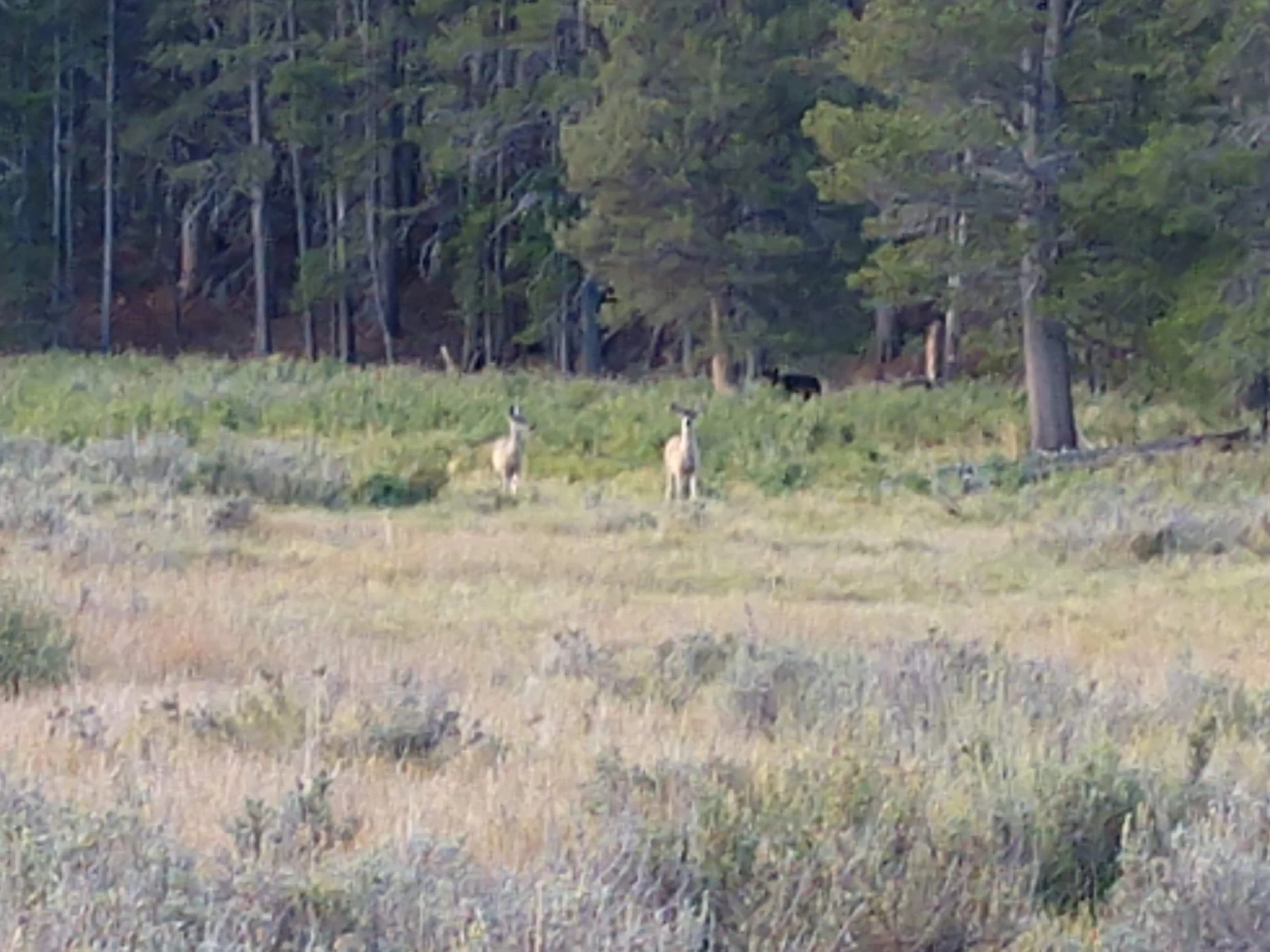
Along the scenic drive into Monache, you'll find plenty of incredible photo opportunities, so be sure to bring along your camera to capture the stunning views. The diverse flora and abundant fauna are everywhere, adding rich layers of natural beauty to your journey.
When fly fishing for Golden Trout in the small, crystal-clear streams of Monache or the South Fork of the Kern River, it must be done with extreme stealth and patience. These waters offer little natural cover, making the fish highly sensitive to shadows and sudden movements, as well as contrasting colors. Traditional fly fishing rods used here are best kept short and nimble—typically in the 3-4 weight range—to maintain delicate and precise presentations. For tippet and leader, the finest material possible is critical, with 7X to 9X being the most preferred, as this ensures an almost invisible connection that won’t spook these wary trout. Keep in mind, Golden Trout here are quite small, and any fish measuring over 12 inches is considered a genuine “whale” by local standards.
In my experience, using a Tenkara rod is the most productive technique when fishing around the Monache Meadow area. Tenkara rods are lightweight, easily packed for long hikes, and offer plenty of length to delicately place a fly in the narrowest, most hidden creek pockets. Since this style of fishing involves casting downstream and then twitching the fly back upstream, Tenkara flies—known for their distinctive reverse hackle tied style—are essential for an enticing, lifelike presentation.
The South Fork of the Kern River meanders gently through the wide, open meadow of Monache. With very little tree cover to provide shade, staying low to the ground is essential to avoid detection. Wearing subdued, earth-toned colors and adopting a stealthy approach will greatly increase your chances in the pursuit of the elusive Golden Trout. The bugs here are noticeably smaller than those found in the lower elevations of most Sierra waters, yet the trout don’t seem particularly picky about their meals. These fish simply need a steady source of food to survive, so if you use just about any ant or fly that naturally occurs in the area, you’ll likely hook some healthy, strong fish.
As my day came to a peaceful close in Monache Meadow, I found myself watching the moon slowly begin to rise over the distant mountains, casting a gentle glow over the desert landscape below. In that quiet moment, I reminisced about a cherished memory—that time backpacking with my father. It was the one and only time we ventured deep into the backcountry together, an experience that left a lasting imprint on my heart. His words, however, remain etched deeply in my thoughts even now. He spoke passionately about his unwavering love for the outdoors and the joy of fishing the pristine waters of the Eastern Sierras. More than just stories, he passed on wisdom, explaining that a Higher Power beyond himself had graciously granted him the opportunity to experience and cherish these natural gifts. Yet, with that blessing came a profound responsibility: to be diligent stewards of these wonders and to ensure that this sacred task was passed on to our children. Though my own children may not share my same passion for the wilderness, I hold onto the hope that I have successfully instilled within them the very same message my father once gifted to me—a call to honor, protect, and celebrate the wild places that shape our souls.
For those adventurous souls seeking to explore waters a bit less traveled and to uncover hidden gems tucked away from the usual crowds, there are numerous smaller, fairly secret streams scattered throughout this vast region. These secluded, often overlooked spots are typically much easier to access than making the long, arduous drive all the way into Monache Meadows, yet they offer fishing experiences that are just as rich and rewarding. The serene, untouched surroundings create a peaceful, almost meditative atmosphere where anglers can truly connect with nature on a deeper level. I’m more than willing to share these special, closely guarded locations with you if you simply email me or send me a direct message on any of my social media platforms. However, I REQUIRE a few important caveats before doing so.
Thank you for taking the time to read my blog about the Golden Trout and Monache Meadows.. To complement the article, I have also included an accompanying YouTube video for you to enjoy.
youtube Link
Also, I’ve put together a comprehensive guide to the area, along with a selection of useful products that could enhance your experience and help you make the most of your own adventures at Monache Meadows and the Sierra Mountians
Link destination
Link Amazon
Affiliate Disclaimer
Vagabond Outdoorsman may receive compensation for purchases made through links on this site. This comes at no additional cost to you and helps support the maintenance and content creation of Vagabond Outdoorsman. We only recommend products and services that we believe will add value to our readers. Please understand that any opinions expressed are our own and based on personal experience or reliable research. Your trust is important to us.
Wishing You,
TIght Loops and Wet Boots!
For those looking to explore slightly less traveled waters, there are numerous smaller, fairly secret streams that are often easier to access than driving the entire distance into Monache Meadows, providing equally rewarding fishing experiences in serene, untouched surroundings.